
Mexico. Sustainability in thermal logistics is ceasing to be a concept linked to corporate discourse to become an operational axis based on measurable results.
In a context where each shipment depends on strict control in the cold chain, companies in the sector face the challenge of optimizing processes, materials and decisions with a direct impact on costs, waste generation and energy efficiency.
The growth of the transport of temperature-sensitive products, such as biological drugs, vaccines and clinical samples, has increased the pressure on refrigerated cargo operators. These industries demand solutions that ensure thermal stability without significantly increasing operating costs, which has led to a rethinking of the approach to sustainability under quantifiable criteria.
In this scenario, measurement is positioned as the starting point. Indicators such as the reduction of plastic waste, the reduction of emissions associated with transportation, energy efficiency in storage, and the number of packaging reuse cycles are today key elements to evaluate the environmental performance of operations.
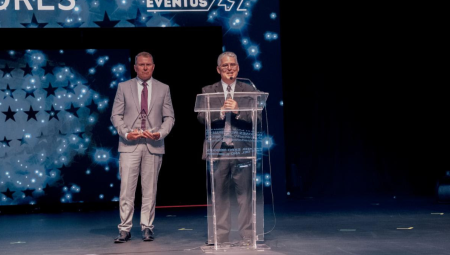
- Publicidad -"Sustainability in thermal logistics is not achieved with statements, but with measurable processes that reduce waste and improve operational efficiency without compromising product safety," says Carlos Humberto Infante y Loya, founder and chairman of the Board of Directors of Kryotec.
According to data from the Universidad Panamericana, 84% of Mexican companies already publish sustainability reports, which reflects a growing corporate demand to document environmental results. At the same time, scientific research indicates that more than 80% of biological drugs and 90% of vaccines require temperature-controlled conditions, which reinforces the importance of having efficient and verifiable logistics systems.
Reuse: From Trend to Operational Standard
In this context, the reusability of packaging is consolidated as a central strategy. Unlike single-use systems, reusable passive packaging allows thermal stability to be maintained without depending on external energy during transport, while reducing waste generation and the need for recurring purchases.
"The real change happens when the organization integrates reuse as part of its operating model, not as an isolated action. That's where thermal logistics becomes more efficient and sustainable," explains Infante y Loya, who has more than 25 years of experience in the cold chain industry.
The potential of this approach is also reflected in market projections. According to IMARC Group, the global cold chain packaging market could reach $74.38 billion by 2033, driven primarily by the expansion of the pharmaceutical sector and the demand for specialized solutions.
Reverse logistics: key to closing the loop
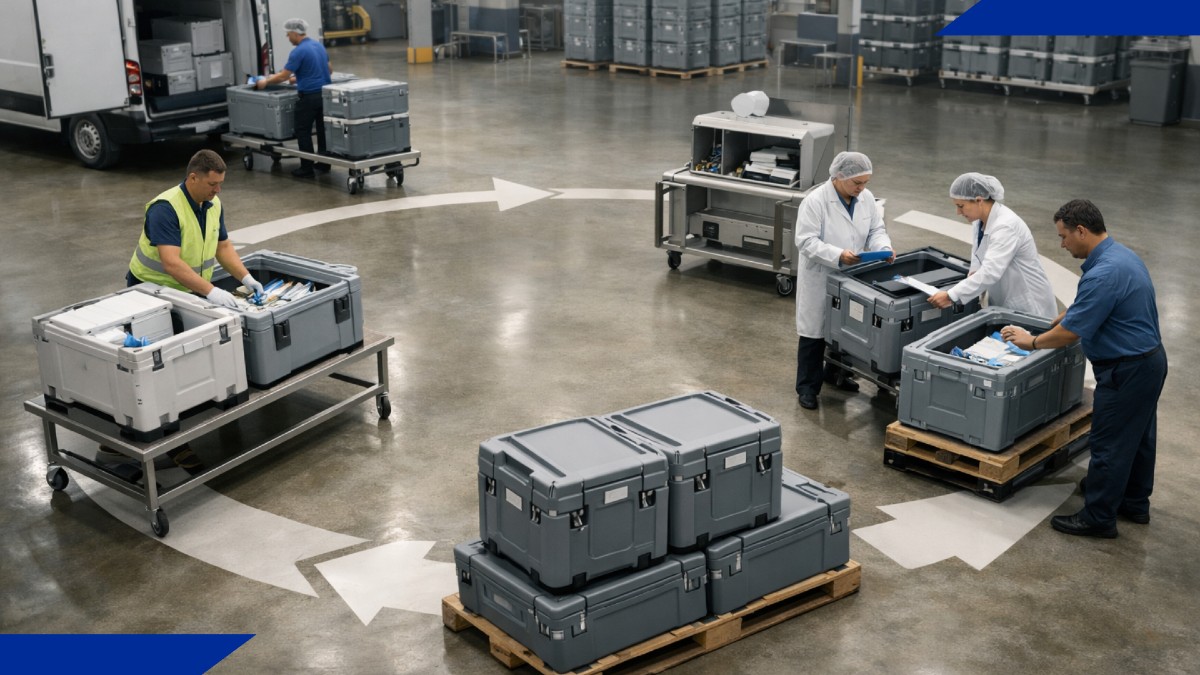
However, reuse is only viable when an efficient reverse logistics scheme is integrated. This process involves the recovery, inspection, reconditioning and redistribution of packaging, which allows its useful life to be extended and environmental impact to be reduced.
A well-structured reverse logistics model includes recovery routes coordinated with deliveries, inspection protocols, recording of usage cycles, integration with thermal monitoring systems, and the monitoring of both environmental and financial indicators.
Under this approach, packaging ceases to be disposable inputs to become strategic assets within the cold chain, contributing to cost optimization and the reduction of the environmental footprint.
From sustainability to competitive advantage
The adoption of clear metrics, reusable systems, and reverse logistics not only responds to regulatory and corporate demands, but also strengthens the operational resilience of companies. Less reliance on disposable materials reduces exposure to supply chain disruptions and brings greater cost stability.
In an environment where the pressure to report environmental results will continue to increase, sustainability in thermal logistics is emerging as a competitive differentiator, especially in critical sectors such as healthcare.
"Sustainability ceases to be a reputational objective when it becomes part of the operating model. In thermal logistics, that means measuring, reusing and optimizing each link," concludes the Kryotec executive.