
International. Behind the digital cloud and artificial intelligence there is a complex, dense and constantly operating physical infrastructure. In this environment, the cold becomes an invisible element, but essential for everything to work.
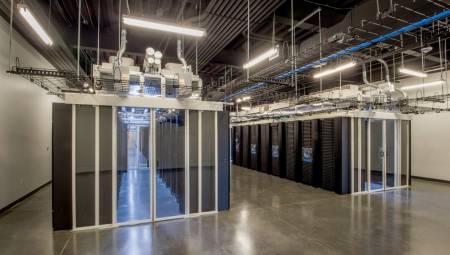
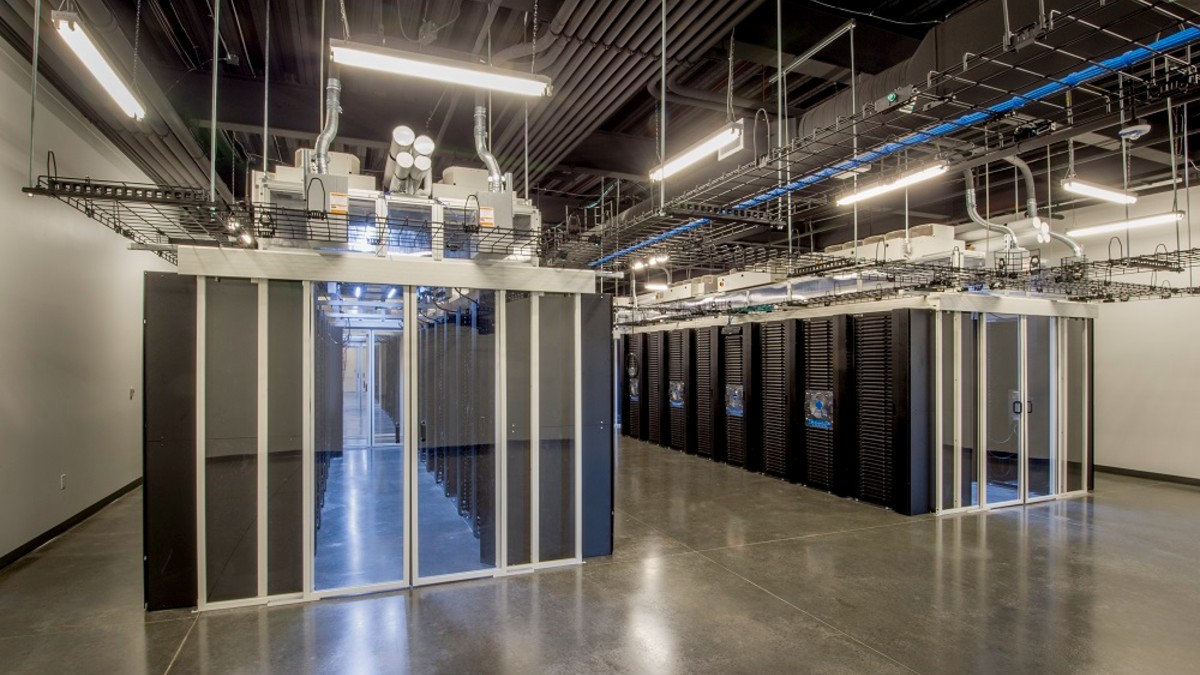
Data centers (DPCs), known as data centers, are at the core of this reality. They operate 24/7, concentrate thousands of high-performance computing systems, and support critical digital services. Each process generates heat, and with the accelerated growth of data and artificial intelligence, so does the demand for more efficient cooling solutions.
One piece of data illustrates the magnitude of the challenge: cooling systems can account for more than 30% of a data center's total energy consumption. Added to this is the intensive use of water, which in some cases reaches millions of gallons per day, which poses significant challenges in terms of sustainability.
In this context, the conversation about digital infrastructure has evolved. It is no longer limited to computing, but incorporates variables such as energy efficiency, thermal management and the reduction of the environmental footprint. Cooling is no longer a support system but a strategic enabler.
In this line, Johnson Controls has strengthened its focus on cooling solutions for data centers. The company was included in Fortune magazine's "Change the World 2025" list, which recognizes 50 companies globally for their social and technological impact.
One of the outstanding developments is the YORK YVAM magnetic bearing centrifugal chiller, designed for hyperscale data centers and AI-driven environments. Its technology is based on components that float using magnetic bearings, which reduces internal friction to practically zero, improving energy efficiency and decreasing operational wear.
The system uses air cooling, eliminates the use of water on site and maintains noise levels suitable for urban environments. Among its main features are:
- Up to 40% reduction in annual energy consumption.
- Elimination of on-site water use.
- Operation with 65 decibels at 10 meters.
- These advances directly impact critical variables such as energy consumption, the use of water resources and integration with the environment.
The innovation behind these solutions is developed at the Advanced Development Engineering Center (JADEC), where the performance of chillers, air handlers and their components is optimized. This work responds to the challenges posed by the growth of the data center market and is supported by a specialized global organization that allows the technology to scale consistently.
The company's recent trajectory reinforces this approach. In 2023, it was recognized for its heat pump technology, capable of reducing operating costs by more than 50% and carbon emissions by 60%. In 2022, its OpenBlue smart building platform transformed real estate asset management by turning them into dynamic systems.
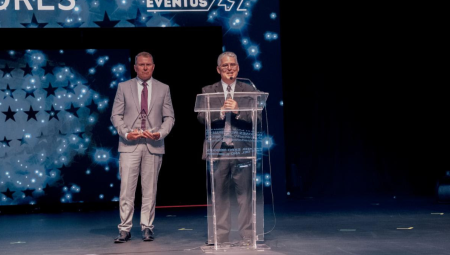
Joakim Weidemanis, CEO of Johnson Controls, suggests a direct implication for the industry: improving efficiency in refrigeration frees up energy capacity that can be used for more advanced artificial intelligence applications.
Since the operation, Reuben Petty, Director of Digital Solutions Sales at Johnson Controls, links this evolution with the development of more efficient and sustainable cities.
The growth of data centers, the expansion of artificial intelligence and the pressure for greater sustainability converge on the same point: thermal management. In practice, this is reflected in how digital infrastructures are designed, operated and scaled, where cooling efficiency becomes a strategic decision.
The development of solutions such as the YVAM chiller from YORK shows how this technical layer evolves in parallel with market demands, through continuous optimization that accompanies the growth of the HVACR and construction industries.
As AI advances and data centers expand their capacity, the management of cooling systems is increasingly integrated into the logic of the entire system, with a direct impact on operation, sustainability, and scalability.