

International. AHRI strengthens its presence in Latin America and continues to promote the production of high-quality, energy-efficient equipment through its renowned standards and certification programs.
Headquartered in the United States with strategic offices in Canada, China, India, Dubai, Singapore and Mexico City, AHRI works to strengthen its role as a global benchmark in the HVACR industry and support manufacturers in their international expansion based on performance, not just price.
The partnership offers more than 100 free performance rating standards and guides, which promote consistency in manufacturers' technical specifications and increase consumer confidence. Its globally recognized certification program helps companies in the industry sell more products, win bids, differentiate themselves from the competition, and comply with government regulations.
In Latin America, AHRI currently supports two participants in the certification program: Mecalor (Brazil), in the chiller program, and TECAM (Colombia), in the forced air exchangers program for heating and cooling.
"Our decision to join AHRI's certification program stemmed from the trust and authority that the HVAC market places in it," explained engineer Guilherme Gomes, Mecalor's Research and Development manager. "We recognized that obtaining this certification was essential to demonstrate the performance of our products globally and provide confidence to our customers. Today, Mecalor and its Klimatix brand are proud to be part of the certified manufacturers that are committed to innovation, sustainability and energy efficiency, in line with the highest standards of the AHRI program," he added.
For his part, engineer José Bustos, head of Export Sales at TECAM, highlighted the challenges and achievements of the Colombian company:
"It has not been easy for a Latin American company to compete in markets where American, Asian and European brands usually have a strong presence. However, true to our vision of manufacturing high-quality, energy-efficient products and obtaining AHRI certification, we initially focused our efforts on the closest countries. Subsequently, with the experience acquired in technical, commercial and logistical aspects, we have managed to expand to more markets by participating in relevant projects and alliances with highly recognized companies. This has allowed us to establish commercial agendas and marketing campaigns with an ever-increasing reach."
In addition to supporting manufacturers, AHRI works hand in hand with governments to facilitate compliance with minimum energy efficiency standards (MEPS). Its rigorous certification program reduces the need for market surveillance and lowers testing and administration costs for authorities. Through the AHRI Certified Product Performance Directory and the "Path A" tool, regulators can validate declared energy efficiency levels before equipment is imported or marketed.
AHRI energy performance certificates are currently recognized as proof of MEPS compliance for mini-split equipment in Honduras, Costa Rica, El Salvador, Guatemala and Panama, and the association is now looking to extend that recognition to countries in South America.
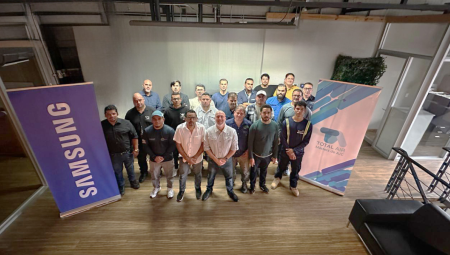
To strengthen its presence in the region, AHRI maintains close collaboration with key associations such as ACAIRE in Colombia, ABRAVA in Brazil, ANFAD in Mexico, as well as with ASHRAE and HARDI LATAM. In Mexico, AHRI and ANCE are exploring the accreditation of a laboratory in Monterrey to carry out tests under the association's standards, taking advantage of the city's role as a strategic industrial center in the sector.
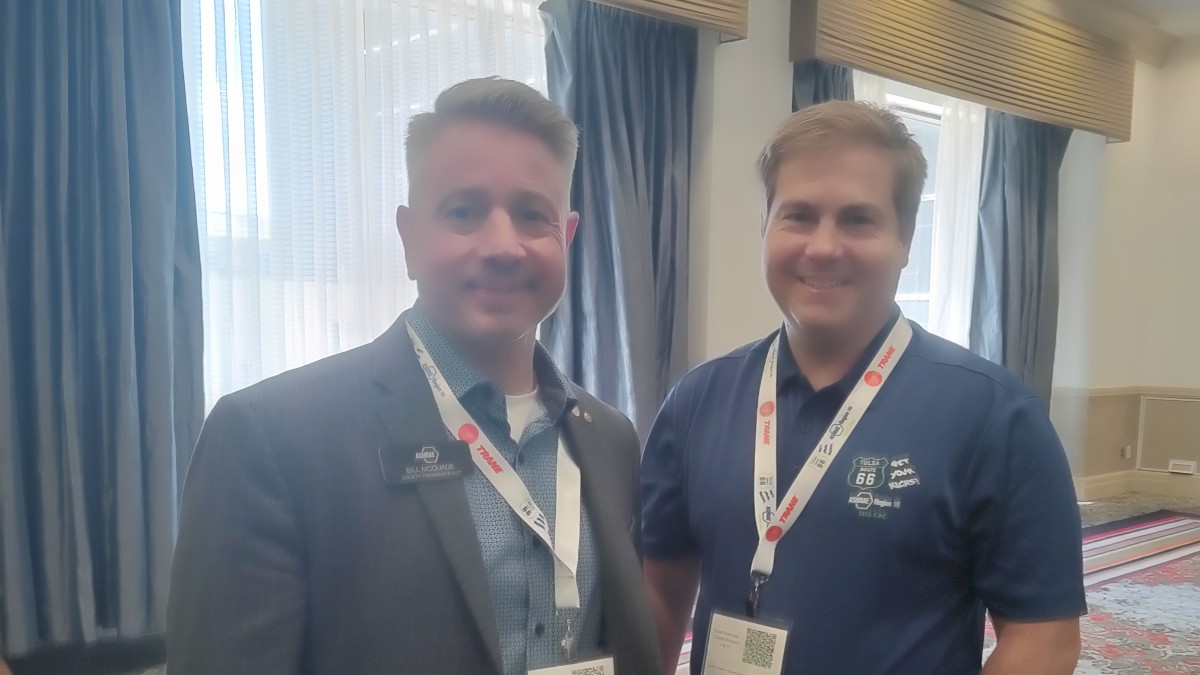
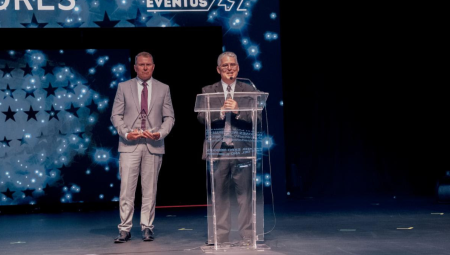
AHRI's Senior Director of Global Services, Michael LaGiglia, has led the organization's active presence at key events such as the Midea HVAC Latin America Partner Summit, AHR Expo Mexico, FEBRAVA Expo and ACAIRE Expo, consolidating the institute's positioning in the Latin American market.
Interest in AHRI's certification program continues to grow, with a number of manufacturers in the region working to join the program in the coming year, in response to the growth of government and specification requirements on projects within the HVACR sector.