
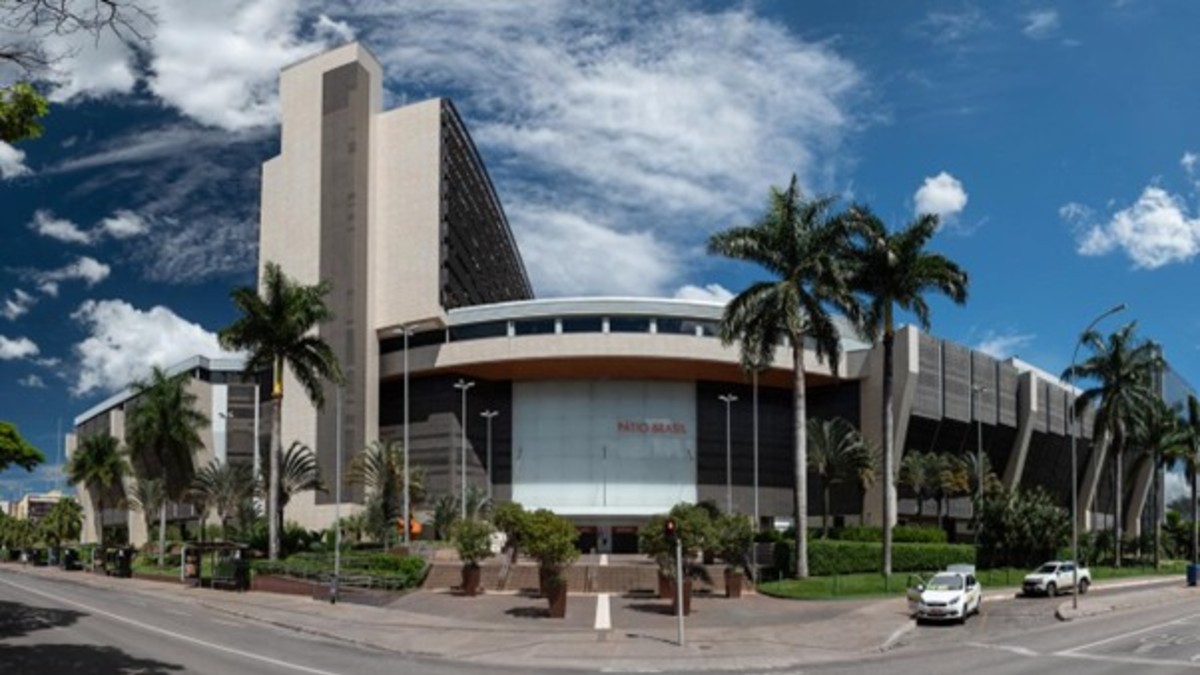
Brazil. The Shopping Pátio Brasil shopping center, located in the Federal District of Brazil, managed to reduce its energy bill by 44% after implementing an energy demand control system developed by Trane.
The initiative is part of a strategy to optimize the complex's energy management and stabilize its operating costs.
The project began in 2021, when the shopping centre identified the need to modernise its air conditioning and automation systems with the aim of reducing energy consumption. After analyzing the potential for savings, in 2023 the shopping center detected an additional opportunity to reduce the contracted electricity demand, which could represent a saving of close to R$30,000 per month on the energy bill.
Faced with this scenario, Trane was again hired to optimize the energy use of the system, keeping consumption below the contracted limit and avoiding additional costs derived from peaks in demand, without affecting the thermal comfort of visitors.
- Publicidad -"After a case study, we understood the needs of Pátio Brasil and offered a solution that would reduce costs and, of course, be aligned with the mall's commitment to sustainability and visitor comfort. Therefore, we designed a proposal that would provide significant savings and help the establishment maintain its cost projection without sacrificing efficiency," says Morgana Ribeiro, Automation Engineer at Trane Brazil.
As part of the solution, the company developed a customized strategy called "implementing demand control logic." This system allows real-time monitoring of the shopping centre's energy consumption and adjusting the operation of the air conditioning equipment to avoid overloads.
"Our solution allowed Pátio Brasil to optimize its energy consumption, maximizing efficiency and keeping consumption within the established limits. This project demonstrates how technology can be a great ally in energy management, enabling savings and contributing to a more sustainable operation," explains Ribeiro.
According to the company, the implementation of the system allowed the shopping center to reduce its electricity bill by 44% in a period of eight months. In addition, the project contemplates an estimated return on investment in less than six months.
According to Trane, the solution also stabilized the complex's energy costs and avoided fines associated with peak demand, while maintaining the HVAC system's performance even during periods of high occupancy. The company highlighted that the project reinforces the use of digital monitoring and control technologies to improve energy efficiency in commercial buildings.