
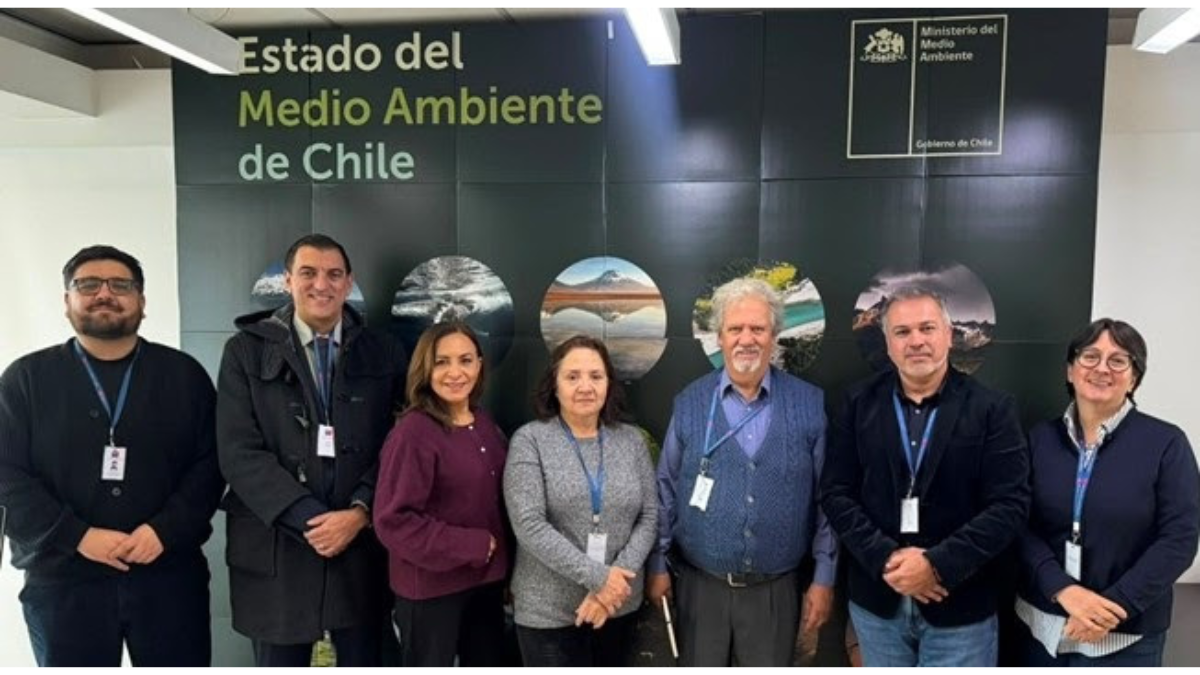
Chile. Chile's Ministry of the Environment continues to make progress in the participatory development of the draft of the future Hydrofluorocarbon (HFC) Emission Standard, an initiative that seeks to strengthen the regulation of these greenhouse gases and promote compensation mechanisms that incentivize verifiable emission reductions.
The process formally began with the publication of Exempt Resolution No. 9,634 of 2025, which began the drafting of the regulations. Since then, the environmental portfolio has promoted various instances of participation to collect technical, scientific, economic, legal and social background related to the use and management of HFCs in the country.
As part of this stage, the ministry has developed mechanisms for consultation and sectoral information gathering, including surveys aimed at actors linked to the refrigeration and air conditioning industries. The objective is to build a regulation aligned with the national reality and with the climate commitments assumed by Chile.
The initiative is part of the Framework Law on Climate Change (Law No. 21,455), which contemplates the development of greenhouse gas emission standards associated with compensation mechanisms and carbon markets, contributing to the national goal of achieving carbon neutrality by 2050.
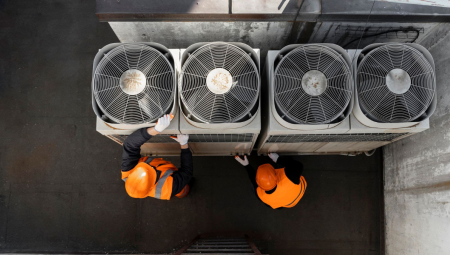
The future regulation will be aimed at controlling emissions of HFCs, gases widely used in refrigeration and air conditioning systems that have a high global warming potential. Among the aspects that the standard could cover are emissions derived from the installation, operation, maintenance and final disposal of refrigeration and air conditioning equipment and systems in commercial and industrial applications.
Kevin Basoa, Head of the Department of Climate Mitigation and Transparency, stressed that "the development of the Hydrofluorocarbon (HFC) Emission Standard strengthens Chile's greenhouse gas mitigation actions to achieve the objective of the Framework Law on Climate Change, carbon neutrality. In addition, this instrument not only contributes to national commitments, it is also part of the work carried out by the Ozone Unit to comply with the Montreal Protocol and its Kigali Amendment."
The proposal also contemplates the incorporation of Monitoring, Reporting and Verification (MRV) instruments, along with compensation mechanisms associated with compliance with the standard.
Carbon market offsetting and strengthening system
One of the most innovative components of the future regulation will be the implementation of a compensation system that will allow regulated sources to meet part of their obligations through certificates of reduction or absorption of emissions from mitigation projects developed in Chile. Likewise, the possibility of generating verified surpluses through over-compliance with the standard is contemplated.
These certificates must meet requirements of additionality, permanence, traceability, monitoring, reporting and verification, guaranteeing the environmental and social integrity of the projects and their alignment with the Framework Law on Climate Change and the Paris Agreement.
Cristina Figueroa Vargas, Coordinator of Carbon Price and Carbon Market Instruments of the Climate Change Division, explained that "this type of mechanism allows traditional regulatory instruments to be complemented with economic flexibility tools, incentivizing verifiable emission reductions and promoting the development of mitigation projects with environmental integrity. In addition, it contributes to the strengthening of the national carbon market and to advance in a cost-effective way towards the country's climate goals."
According to the ministry, this approach seeks to combine regulatory instruments with economic flexibility mechanisms, promoting the development of the national carbon market and favoring the adoption of technologies with less climate impact.
During the background gathering process, the authority received inputs related to the use of HFCs, alternative technologies, implementation costs, management practices and emission reduction, as well as experiences from the refrigeration and HVAC sector.
The information obtained will serve as a basis for advancing in a regulation that contributes to reducing HFC emissions, promoting more sustainable technological solutions and strengthening climate change mitigation actions in Chile.