
Mexico. The HVAC industry is undergoing a transformation driven by digitalisation, artificial intelligence, electrification and decarbonisation targets.
In this scenario, Trane Mexico commemorates 35 years of operations in the country – and 113 years of global trajectory – highlighting the evolution of HVAC from a solution focused on comfort to becoming a strategic component to guarantee operational continuity, energy efficiency and sustainability in key sectors.
The company notes that the growth of data centers, the expansion of artificial intelligence, and the increase in energy demand have elevated the importance of cooling and thermal management systems. According to the International Energy Agency (IEA), buildings account for about 30% of final energy consumption globally, making energy efficiency a priority for companies and infrastructure operators.
"Throughout Trane Mexico's 35-year history, we have seen an unprecedented transformation in the HVAC industry; air conditioning today is a strategic element for operational continuity, energy efficiency and decarbonization objectives," said Enrique Tello, general director of Trane Mexico.
For more than three decades, the company has been involved in manufacturing, healthcare, hospitality, corporate buildings and critical infrastructure projects in Mexico.
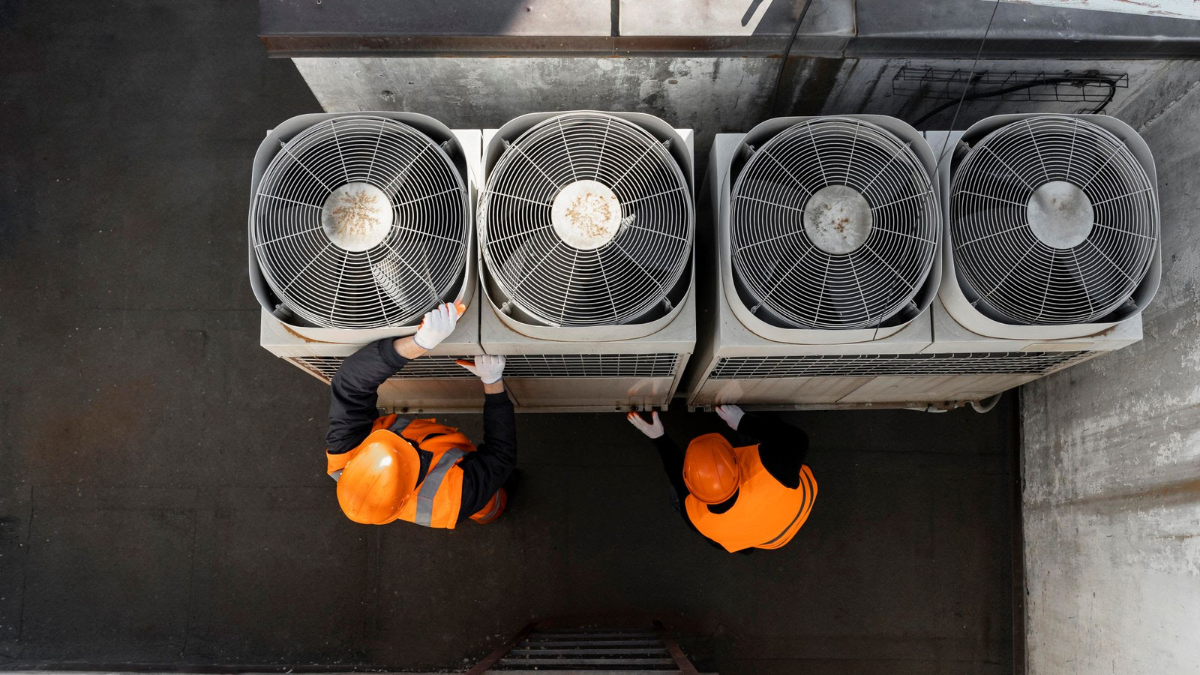
Among the outstanding cases is an automotive industrial complex where the company intervened from the planning stage to the operation of various manufacturing warehouses. The project included the installation of 150 50-ton equipment through aerial maneuvers with helicopters, reaching a capacity of more than 7,500 tons of cooling to support the continuity of production.
In the healthcare sector, Trane has also developed highly specialized projects that include 14 centrifugal chillers, more than 250 air handling units and advanced control systems for sterilization and medical manufacturing processes.
Another of the projects mentioned corresponds to an airport in the Mexican Caribbean, where the company implemented, in less than a week, a temporary solution with five chillers and complementary equipment capable of supplying 1,500 tons of cooling, allowing the terminal to start operations according to the planned schedule.
"The most memorable projects are those in which our clients allowed us to become a strategic ally. When a critical operation depends on a solution, we understand that our work transcends technology; it is about trust and continuity," said Enrique Tello.
Digitalization and decarbonization mark the future of HVAC
The company highlights that the evolution of its services has allowed it to migrate from conventional maintenance to schemes based on remote monitoring, digitalization and intelligent asset management, with customers who maintain service contracts for more than 30 years and equipment that continues to operate beyond its estimated useful life.
In terms of technology, Trane has promoted electrification projects using high-efficiency heat pumps to replace fossil fuel-based systems in hotel complexes. It has also developed digital platforms and automation solutions that optimize the operation of multiple facilities and improve their energy performance.
In addition to the industrial and commercial market, the company highlights the strengthening of its network of distributors in Mexico, through which it offers air conditioning solutions for homes and small businesses, expanding access to more energy-efficient technologies.
The organization also highlights initiatives focused on talent development, STEM programs, volunteering and social responsibility actions. In the environmental field, it reports that during the last decade it has contributed to the planting of more than 8,000 trees as part of its sustainability strategy.
"In these 35 years we have seen how the conversation around air conditioning has changed. What's interesting is that the next ten years are likely to be even more disruptive. The challenge will be to continue developing infrastructure prepared for a more digital, more demanding and sustainable world," Tello concluded.